Can a new therapy help restore lost functions after a stroke? Recent advancements in medical research offer a promising answer. Researchers are exploring the potential of stem cell therapy to improve neurological function and promote recovery in stroke patients.
This innovative approach has shown encouraging results, providing new hope for individuals affected by stroke. By harnessing the regenerative capabilities of stem cells, scientists aim to develop effective treatments that can significantly enhance patient outcomes.
Key Takeaways
- Stem cell therapy is being researched as a potential treatment for stroke recovery.
- This therapy aims to improve neurological function and promote recovery.
- Research has shown promising results in using stem cells for stroke treatment.
- Stem cell therapy offers new hope for individuals affected by stroke.
- The regenerative capabilities of stem cells are being harnessed to develop effective treatments.
Understanding Stroke and Its Impact on the Brain
Understanding stroke is key to finding better treatments. Stroke happens when the brain doesn’t get enough blood. This can be because of a blockage or a blood vessel rupture.
Types of Strokes and Their Effects
There are two main types of strokes: ischemic and hemorrhagic. Ischemic strokes happen when a blood clot blocks a vessel. Hemorrhagic strokes occur when a blood vessel bursts. Both can harm brain tissue, leading to problems with thinking and moving.
| Stroke Type | Cause | Effects |
|---|---|---|
| Ischemic | Blood clot obstructing a vessel | Cognitive impairments, motor weakness |
| Hemorrhagic | Rupture of a blood vessel | Severe headache, weakness, confusion |
Current Limitations in Conventional Stroke Treatments
Today’s stroke treatments, like thrombolytic therapy for ischemic stroke, have their limits. Regenerative medicine for stroke, including stroke recovery stem cell research, is being looked into. It aims to overcome these challenges and help patients more.
Stem Cells for Stroke Recovery: How They Work
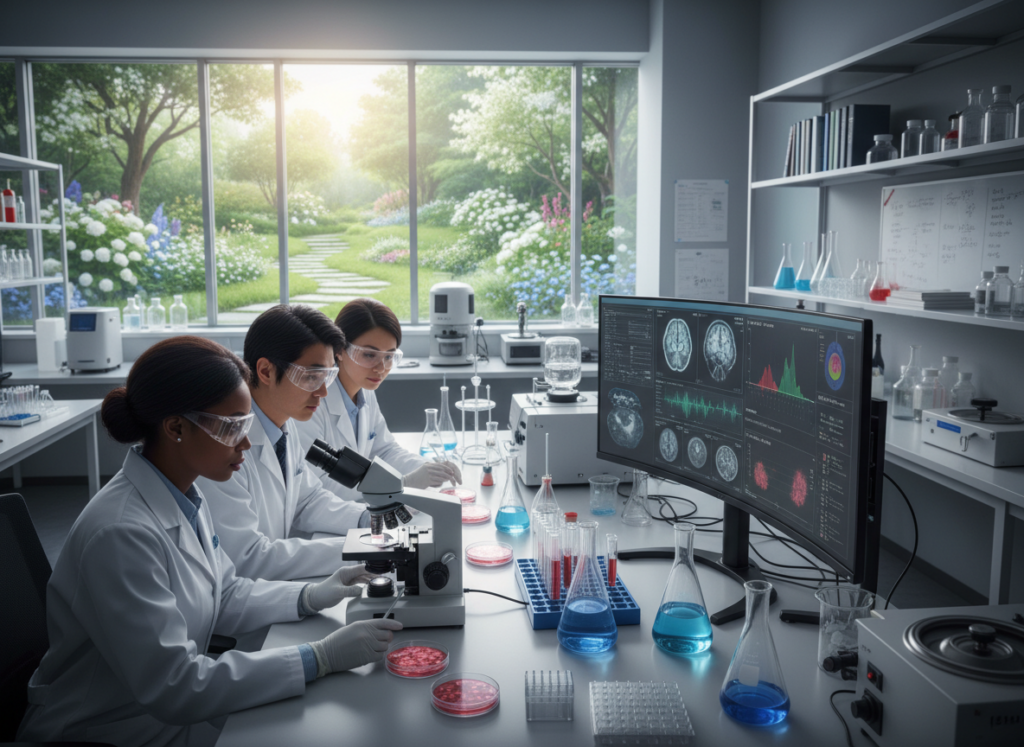
Stem cells are seen as a new hope for stroke recovery. They offer hope for patients and doctors. To understand their potential, we need to know what stem cells are and how they help in stroke recovery.
What Are Stem Cells?
Stem cells are special cells that can turn into different types of cells in our body. They help in growth, repair, and regeneration. For stroke, they can turn into brain cells, fixing or replacing damaged ones.
Mechanisms of Neural Repair and Regeneration
Stem cells help repair and grow brain cells in several ways. They can become neurons and glial cells, key for brain function. They also release growth factors that protect and help the brain repair itself. This can greatly improve outcomes for stroke patients.
The Blood-Brain Barrier Challenge
Using stem cells for stroke treatment faces a big challenge: the blood-brain barrier (BBB). The BBB blocks cells and large molecules from entering the brain. Scientists are working on ways to get stem cells past this barrier, like direct injection or finding ways to open the BBB temporarily.
| Mechanism | Description | Potential Benefit |
|---|---|---|
| Differentiation into Neural Cells | Stem cells can become neurons and glial cells | Replacing damaged brain tissue |
| Release of Growth Factors | Stem cells release factors supporting neuroprotection | Enhancing natural repair processes |
| Modulation of Inflammation | Stem cells can reduce inflammation in the brain | Improving recovery environment |
Types of Stem Cells Used in Stroke Treatment
Stem cell therapy for stroke uses different stem cells, each with special abilities. Researchers are studying these cells to see if they can help stroke patients.
Embryonic Stem Cells
Embryonic stem cells come from embryos and can turn into any cell type. They are very promising for fixing damaged tissues. But, their use is debated due to ethical issues.
Adult Stem Cells
Adult stem cells are found in grown-up bodies. They can’t change into as many cell types as embryonic stem cells. Yet, they are safer and more acceptable. Adult stem cells are being looked at for stroke treatment.
Induced Pluripotent Stem Cells (iPSCs)
Induced pluripotent stem cells (iPSCs) are made by changing adult cells back into a pluripotent state. They are a good choice because they avoid ethical problems and can turn into many cell types.
Mesenchymal Stem Cells (MSCs)
Mesenchymal stem cells (MSCs) are a kind of adult stem cell. They can turn into many cell types, including those important for stroke recovery. MSCs are being studied for their role in fixing damaged brain areas. .
Current Research and Clinical Trials
Stem cell therapy is showing great promise for stroke treatment. Ongoing research and clinical trials are making big strides. They focus on how safe and effective stem cells are for stroke recovery.
Landmark Studies and Their Findings
Many important studies have shown stem cells’ potential in helping stroke patients. For example, research on mesenchymal stem cells (MSCs) has shown great results. A study in the Stroke journal found MSCs greatly improved outcomes for ischemic stroke patients.
Ongoing Clinical Trials in the United States
In the U.S., many clinical trials are exploring stem cells for stroke. They’re looking at things like the right amount of cells, how to deliver them, and who should get them. The results will help us understand how safe and effective stem cell therapy is for stroke.
International Research Developments
Worldwide, researchers are pushing the boundaries of stem cell research for stroke. Countries like Japan and the U.K. are leading the way with innovative studies. For example, a trial in Japan is looking at using induced pluripotent stem cells (iPSCs) for stroke treatment. This could be a major breakthrough.
| Study/Trial | Location | Focus | Status |
|---|---|---|---|
| MSC Transplantation | USA | Motor Function Improvement | Ongoing |
| iPSC Trial | Japan | Stroke Treatment using iPSCs | Recruiting |
| Stem Cell Therapy | UK | Safety and Efficacy | Active |
Stem Cell Treatment Procedures for Stroke Patients
Stem cells are being studied for treating stroke because they might help repair the brain. These treatments aim to help patients recover and improve their health.
Delivery Methods and Administration
There are several ways to give stem cells to stroke patients. Each method has its own benefits and challenges. Choosing the right method is key to a successful treatment.
Intravenous Injection
Intravenous injection is a common way to give stem cells. It’s easy and lets the cells spread throughout the body.
Intracerebral Implantation
Intracerebral implantation puts stem cells directly in the brain. This method is more precise but is more invasive.
Intra-Arterial Delivery
Intra-arterial delivery injects stem cells into brain arteries. It’s more targeted than intravenous but needs more skill.
Treatment Timing and Protocols
When and how to treat with stem cells is very important. Scientists are still figuring out the best timing and treatment plans. Knowing how stem cells help in stroke recovery is crucial for making these plans.
Healthcare providers can make stem cell treatments better by considering how to give them and when. This can help patients recover more effectively.
Benefits and Potential Outcomes of Stem Cell Therapy
Recent advances in stem cell therapy are changing how we treat strokes. This therapy has shown great promise in helping stroke patients regain their strength and cognitive abilities. It also improves their overall quality of life.
Motor Function Improvements
Research shows that stem cell treatment can greatly improve motor function in stroke patients. It helps repair damaged brain tissue and creates new connections. This allows patients to move more easily and live independently.
Cognitive Recovery Potential
Stem cell therapy may also help with cognitive recovery. It can fix damaged brain areas that affect memory, attention, and speed. This could lead to better thinking and learning abilities.
Quality of Life Enhancements
Stem cell therapy can also make a big difference in a stroke patient’s life. It boosts both motor and cognitive skills. This means patients can do more daily tasks and connect with others better.
As research keeps growing, the benefits of stem cell therapy stroke treatment are becoming clearer. It offers new hope for those affected by strokes and their loved ones.
Challenges and Limitations in Regenerative Medicine for Stroke
Stem cell therapy for stroke patients shows promise but faces many challenges. Researchers are working hard to overcome these hurdles. They aim to make regenerative medicine for stroke a reality.
Safety Concerns and Side Effects
Stem cell therapy raises concerns about safety and side effects. These can include immune reactions and long-term issues. It’s crucial to ensure patient safety, and research is focused on reducing these risks.
Regulatory Hurdles in the United States
The U.S. has strict rules for stem cell therapy. The FDA sets high standards for safety and effectiveness. This can make it hard to get new treatments approved.
Accessibility and Cost Factors
Even if stem cell therapy works, cost and access are big issues. The table below shows how these factors affect treatment for stroke patients.
| Factor | Description | Impact |
|---|---|---|
| Insurance Coverage | Variability in insurance coverage for stem cell therapy | Affects out-of-pocket costs for patients |
| Treatment Cost | High cost of stem cell therapy procedures | Limiting accessibility for many patients |
| Specialized Centers | Limited availability of centers offering stem cell therapy | Geographic and logistical barriers for patients |
The Future of Stem Cell Treatment for Stroke Recovery
Stem cell therapy is showing great promise for improving stroke recovery. Ongoing stem cell research aims to better understand long-term results. It also seeks to blend stem cell treatments into full stroke care plans.
Studies suggest the best time to use stem cells is between 36 and 72 hours after a stroke. Mesenchymal stem cells (MSCs) are being looked at for their ability to boost brain cell growth and recovery.
There are several clinical trials underway. These include a Phase II trial in the U.S. and a Randomized Controlled Trial in China. They are checking if stem cell therapy is safe and effective for stroke patients.
Despite challenges like cost and standardizing treatment, the research looks promising. It suggests a bright future for using stem cells to help stroke recovery.
FAQ
What is stem cell therapy for stroke recovery?
Stem cell therapy for stroke recovery uses stem cells to fix or replace damaged brain tissue. This helps patients recover and improves their outcomes.
How do stem cells work to aid in stroke recovery?
Stem cells can turn into different types of cells, including brain cells. They may help protect and grow new brain tissue, aiding in recovery.
What types of stem cells are being explored for stroke treatment?
Scientists are looking at many types of stem cells. These include embryonic, adult, induced pluripotent stem cells (iPSCs), and mesenchymal stem cells (MSCs). They hope these can help treat strokes.
What are the challenges associated with stem cell therapy for stroke?
There are several challenges. These include getting stem cells past the blood-brain barrier and ensuring safety. There are also regulatory hurdles and making treatment affordable.
What are the potential benefits of stem cell therapy for stroke patients?
The benefits could be significant. Patients might see better motor function, cognitive recovery, and quality of life. This could lead to better outcomes.
How are stem cells delivered to stroke patients?
Stem cells can be given in different ways. These include intravenous infusion, intra-arterial injection, and direct brain implantation. Each method has its own benefits and challenges.
What is the current state of research on stem cell therapy for stroke?
Research is ongoing. Many clinical trials are studying the safety and effectiveness of stem cell therapy for stroke. This includes important studies and international research.
Is stem cell therapy for stroke available now?
While some trials are happening, stem cell therapy for stroke is still experimental. It’s not yet a standard treatment.
What are the safety concerns associated with stem cell therapy for stroke?
Safety is a big concern. Possible side effects include tumors, immune reactions, and unintended brain effects. Researchers are closely watching these.
How can I find out more about participating in a clinical trial for stem cell therapy for stroke?
You can look for trials on sites like ClinicalTrials.gov. Talk to your doctor to see if you might be eligible.