Blood stem cells edited to correct the mutation behind sickle cell disease have produced encouraging early results in a small human study. The most important detail is the size of that evidence: two patients have longer follow-up, while a third was only 1.5 months past treatment when the researchers submitted their abstract.
The findings come from the ongoing Phase 1/2 RESTORE trial of nula-cel, an experimental treatment made from a patient’s own blood-forming stem cells. The official American Society of Hematology abstract reports that all three recipients of the revised treatment became independent of transfusions before leaving the hospital. No vaso-occlusive events were reported after infusion. These painful episodes occur when sickled blood cells obstruct blood flow.
What the treatment is designed to do
Nula-cel uses CRISPR-Cas9 gene editing to repair the sickle-causing change in the HBB gene. Researchers collect the patient’s blood stem cells, edit them outside the body using a corrective DNA template, and return them in a single infusion.
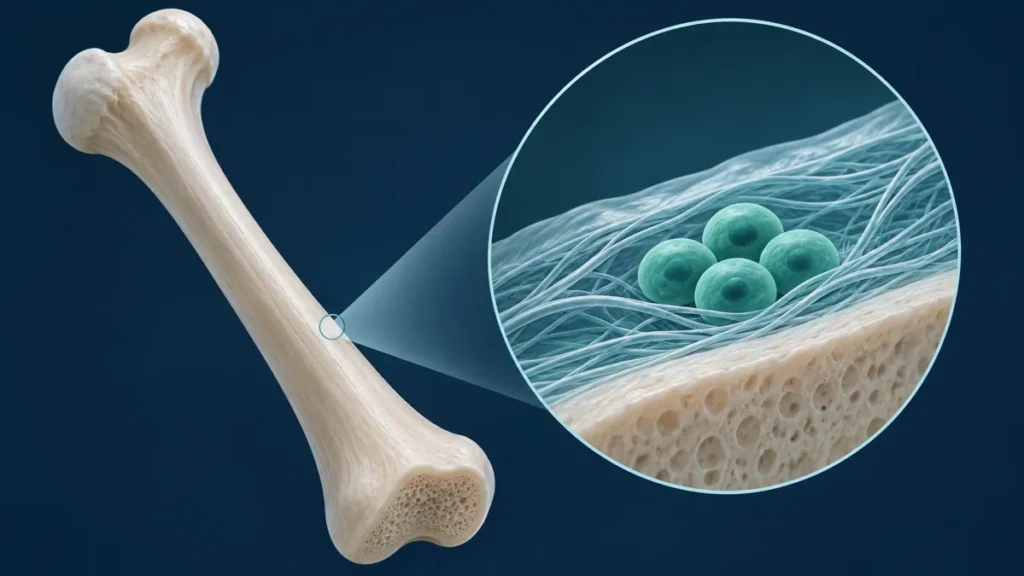
The goal is for those cells to establish themselves in the bone marrow and produce blood cells containing normal adult hemoglobin, the oxygen-carrying protein. Before infusion, patients receive myeloablative busulfan chemotherapy as part of the transplant procedure. A single infusion therefore still involves intensive treatment.
National Stem Cell Therapy previously covered Kamau’s manufacturing partnership with MaxCyte. This update adds patient findings from a revised manufacturing process, called V2.0.
What the researchers measured
The two patients with longer follow-up had total hemoglobin above 10 grams per deciliter. Adult hemoglobin predominated, while sickle hemoglobin accounted for less than one-fifth of their measured hemoglobin.
| Reported follow-up | Sickle hemoglobin | Adult hemoglobin | Interpretation |
|---|---|---|---|
| 12 months | 17.6% | 76.8% | Longer-followed V2.0 recipient |
| 8 months | 19.1% | 66.8% | Longer-followed V2.0 recipient |
| 1.5 months | Not reported | Not reported | Too early to assess efficacy |
The researchers also found gene-corrected cells persisting in blood and bone marrow, supporting the intended mechanism. Neutrophils, a type of infection-fighting white blood cell, recovered in all three recipients between days 19 and 32.
These findings support further study. They cannot establish how consistently the treatment will work across a larger population or how benefits and risks will develop over many years.
Why the safety history matters
For the V2.0 recipients, the abstract reports no serious adverse events attributed to nula-cel or the editing procedure. Adverse events did occur and were described as consistent with busulfan conditioning and autologous stem cell transplantation. The abstract does not list individual events or their severity, so this should not be described as treatment without side effects.
The earlier version has a separate history. In January 2023, former developer Graphite Bio paused the original trial after a serious adverse event in its first recipient that it considered likely related to study treatment, according to its SEC filing. The new abstract reports that this V1.0 recipient is clinically well four years after infusion and no longer needs transfusions or growth-factor support. That later update does not erase the earlier event or make the two versions interchangeable.
What remains unanswered
This is a conference abstract from a very small cohort. It does not provide detailed definitions of transfusion independence or vaso-occlusive events, a full adverse-event table, or a comparison group. The third recipient’s short follow-up is especially important when interpreting the headline results.
The oral presentation is scheduled for December 14, 2026. Longer follow-up and more participants are needed to establish durability and safety. For readers, the useful advance is early human evidence that directly correcting this mutation can produce the intended blood changes, with important questions still open.