
RTX001 Liver Cell Therapy: Early Results and Open Questions
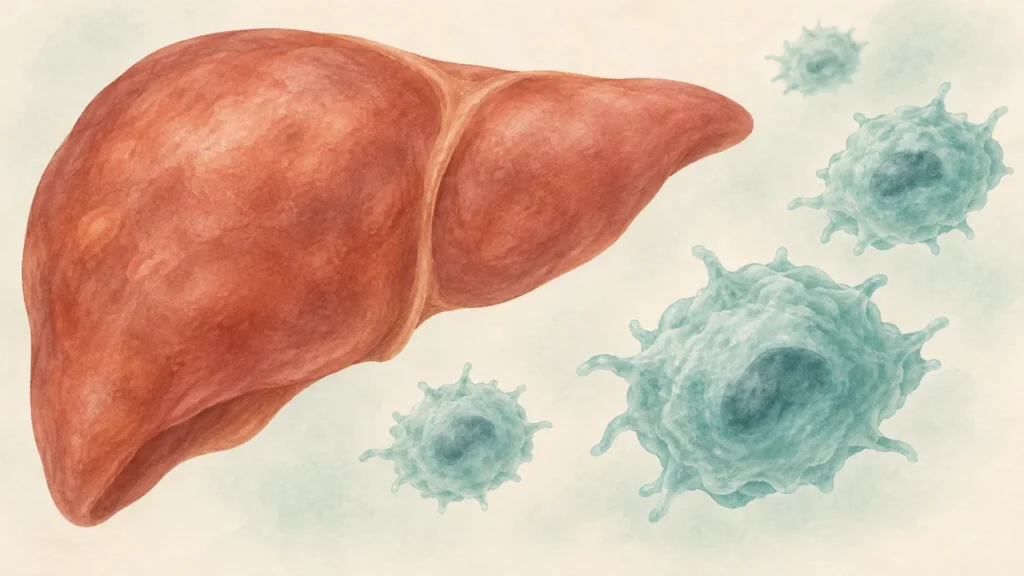
An experimental cell therapy for advanced liver disease has reached an early human-results milestone. Researchers reported major clinical events in two of nine people given RTX001, compared with eight of 21 people followed in a separate study receiving standard care. The groups were small and not randomly assigned, so the difference cannot establish that the […]
Nula-Cel Sickle Cell Trial: Early Results and Important Limits
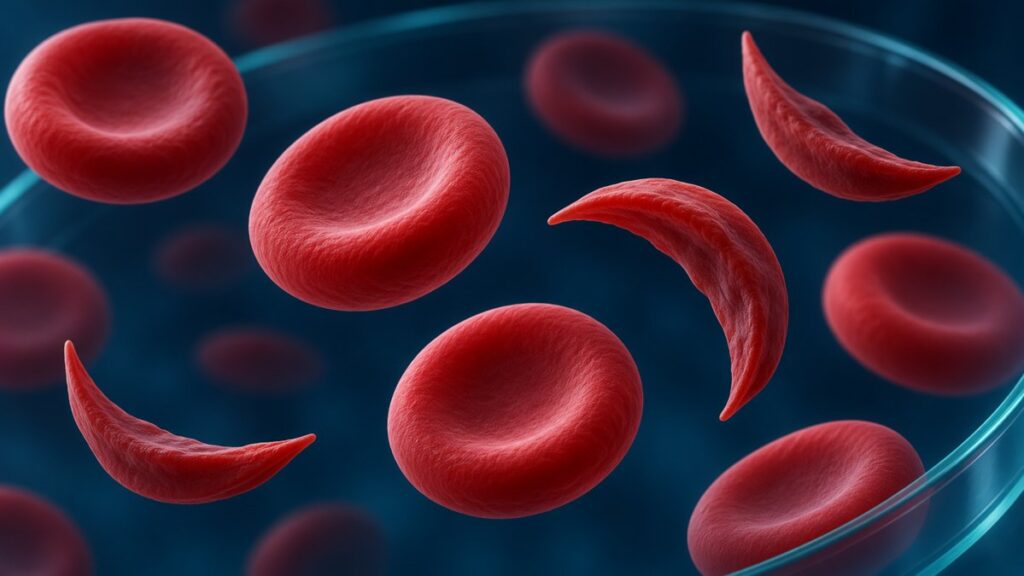
Blood stem cells edited to correct the mutation behind sickle cell disease have produced encouraging early results in a small human study. The most important detail is the size of that evidence: two patients have longer follow-up, while a third was only 1.5 months past treatment when the researchers submitted their abstract. The findings come […]
How a Gene Helps Bone Keep Its Stem Cell Reserve
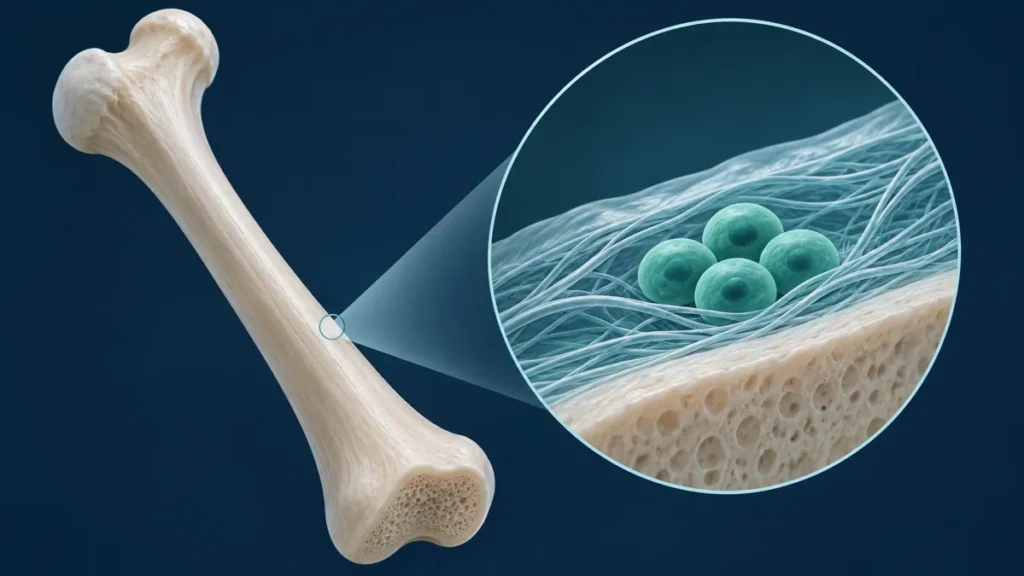
Repairing a broken bone depends on having replacement cells ready. A new study helps explain how bone keeps that supply from being used up too soon. Researchers at NYU Langone Health identified a role for HOXA10, a gene involved in skeletal development, in preserving bone stem cells over time. The work, published online November 4 […]
Japan’s Parkinson’s Cell Therapy Reaches First Post-Approval Study Patient
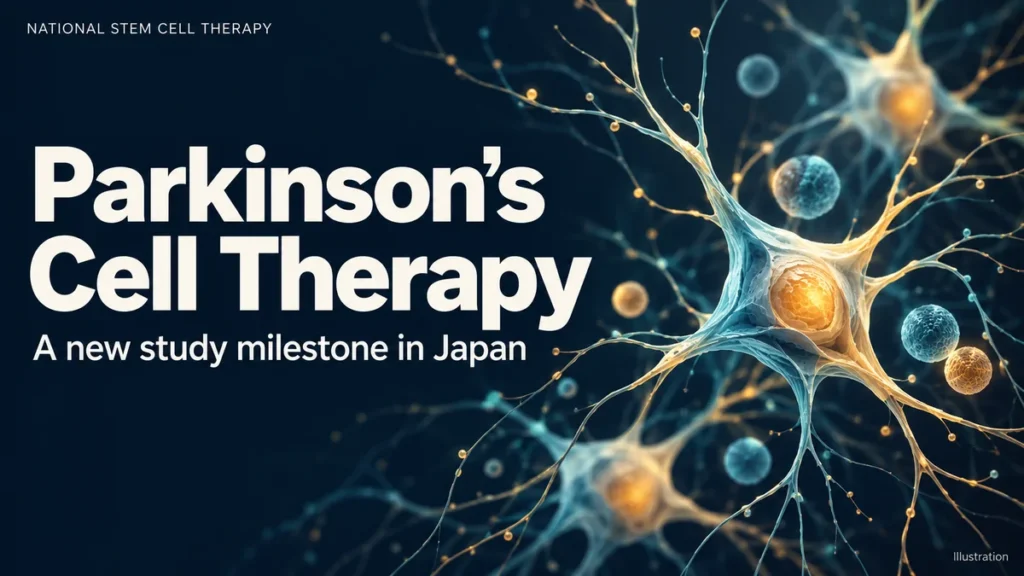
The first participant in Japan’s post-marketing AMCHEPRY study received a transplant in October. Here is what the milestone means, what the earlier trial showed, and what remains unknown.
Why More Stem Cell Activity Did Not Mean Stronger Skin in Mice
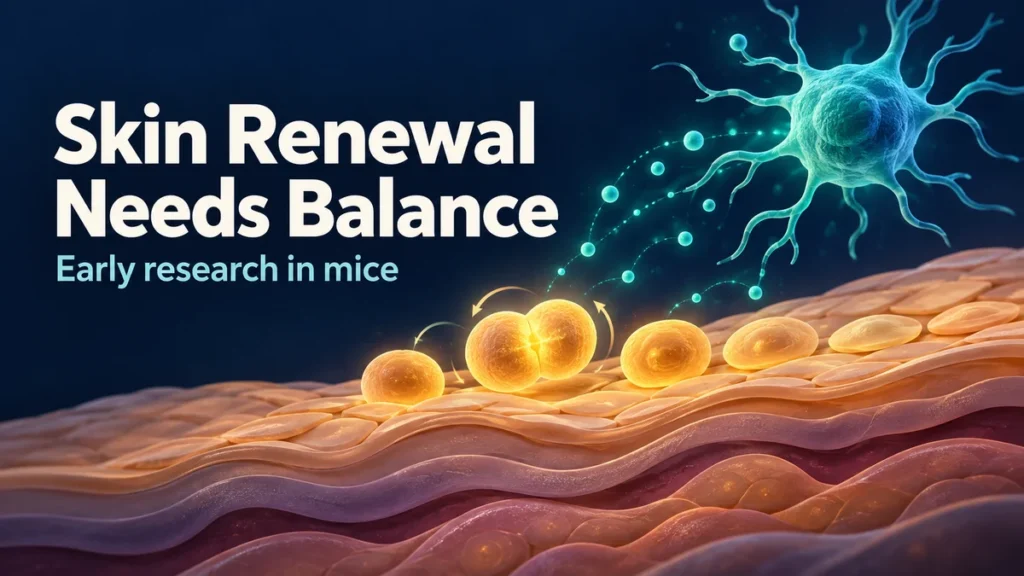
When you hear “stem cells,” it is easy to assume that making more of them must be a good thing. A new mouse study offers a useful reminder: cells also need the right instructions. Researchers found that immune cells help keep skin stem cells from becoming overactive. When that communication was disrupted, cells multiplied more, […]
New Clues to Gut Damage After a Donor Stem Cell Transplant
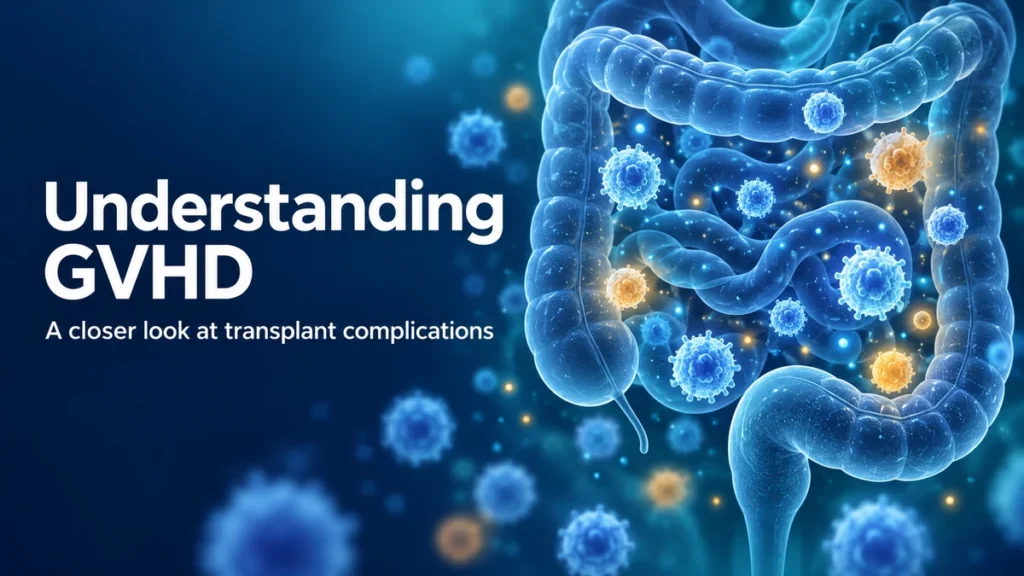
A donor stem cell transplant can give someone with a serious blood disease a new blood-forming system. But donated immune cells can sometimes attack healthy tissues instead of protecting them. That complication is called graft-versus-host disease, or GVHD. Newly highlighted research offers a closer look at how some of those immune cells behave in the […]
Why Scientists Are Turning Skin Cells Into Nerve Cells
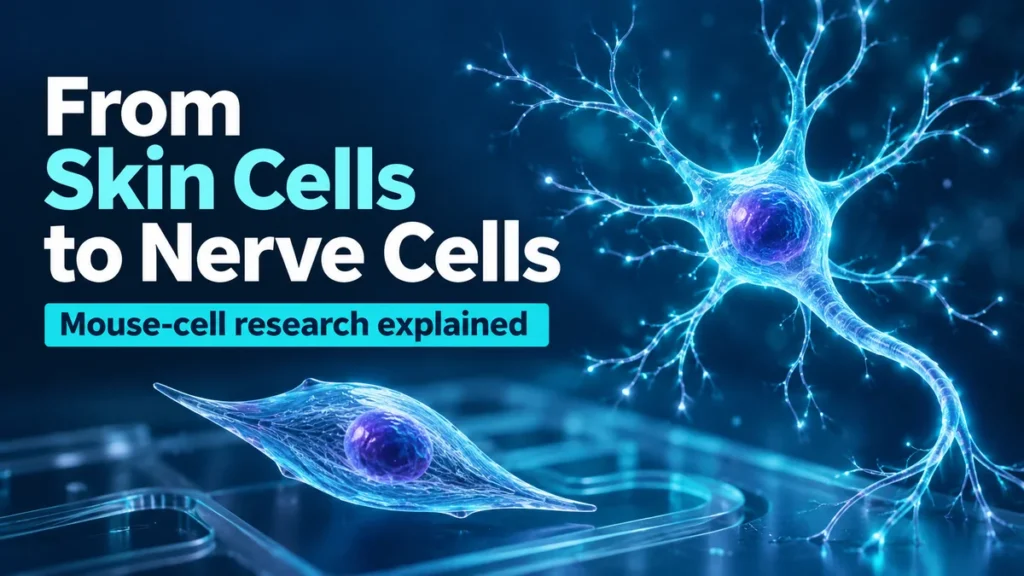
Studying human disease can begin with a basic problem: researchers need the right cells. Making specialized cells in a laboratory can help them investigate disease and test possible medicines. The NIH’s stem cell overview explains why these research tools matter, even before any treatment reaches patients. On October 22, 2026, UCLA reported a new approach […]
FDA Moves Deramiocel’s Duchenne Decision to November: What the Extended Review Means

Waiting for a regulatory milestone like the Deramiocel FDA review can feel like standing in the middle of a storm while you wait for the clouds to break. For families living with Duchenne muscular dystrophy, every day counts toward preserving the strength and independence of their loved ones. The recent news regarding this clinical update […]
Retinal Cell Replacement Therapy Needs Two Things: The Right Cells and a Way to Avoid Rejection
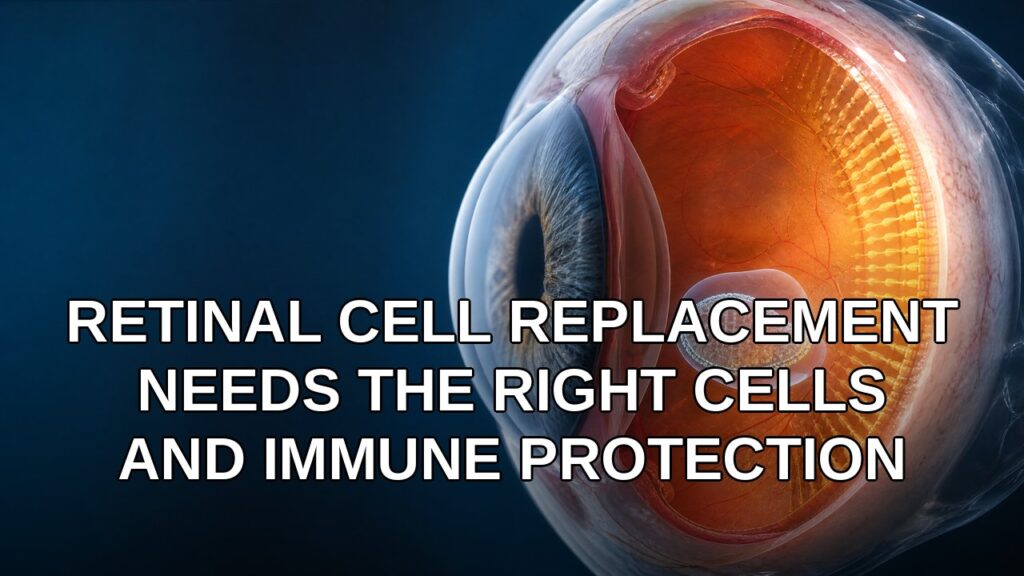
You have to be stronger than the fear that comes with losing your sight. Developing a viable retinal cell replacement therapy is the path toward restoring what has been lost. This journey requires absolute precision and sustained effort over many years. You must understand how our bodies protect themselves if you want to see real […]
Why iPSC-Derived MSC Manufacturing May Matter More Than the Next Big Stem Cell Headline

The noise in medical news is often deafening. You see headlines promising cures every week, yet few explain how we actually get there. The real progress happens in the quiet corners of the lab. One such area is iPSC derived MSC manufacturing, which focuses on how we create the essential components of future medicine. You […]