Regenerative Medicine and Tissue Engineering: Your Path to Lasting Healing
Are you tired of treatments that only manage symptoms, never truly addressing the root cause of your pain or disease? Do you wonder if there’s a way to not just cope, but to genuinely heal and restore your body’s function?
We understand these frustrations deeply.
For too long, conventional medicine has focused on patching up problems rather than rebuilding what’s broken. But what if we told you a new era of healing is here, one that taps into your body’s own incredible capacity for repair?
This is the promise of regenerative medicine and tissue engineering.
What is Regenerative Medicine?
Regenerative medicine is a groundbreaking field focused on developing therapies that replace, engineer, or regenerate human cells, tissues, or organs to restore or establish normal function. It’s about empowering your body to heal itself, moving beyond temporary fixes to lasting solutions.
This isn’t science fiction; it’s the leading edge of medical innovation.
We are talking about treatments that can potentially repair damaged cartilage, mend injured ligaments, and even restore function to failing organs. The goal is to return you to a state of health where your body works as it was designed to.
What Is Regenerative Medicine? A Clear 2026 Guide to How It Works
The Core Principles of Regeneration
At its heart, regenerative medicine leverages the body’s natural healing mechanisms. This often involves using stem cells, growth factors, and other biological components to stimulate repair.
We guide your body’s inherent ability to regenerate, providing the right conditions for optimal healing.
Consider the simple act of a cut healing on your skin; that’s regeneration in action. Regenerative medicine aims to amplify and direct these processes for more complex injuries and diseases.
It’s about unlocking your body’s inner physician.
Understanding Tissue Engineering
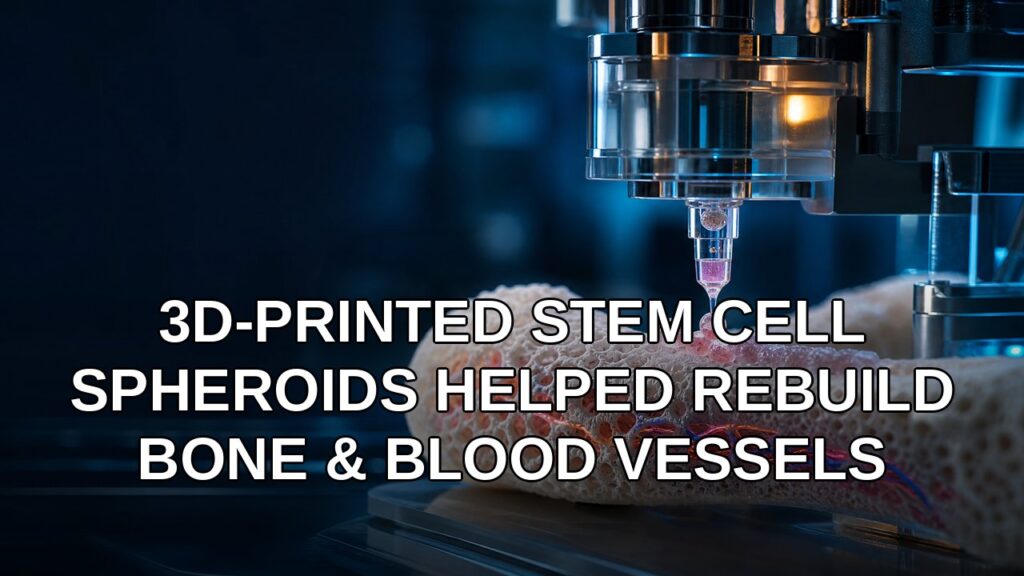
Tissue engineering is a specialized branch of regenerative medicine that focuses on creating functional tissues and organs in the lab or within the body. It combines principles from biology, engineering, and materials science to build biological substitutes.
Think of it as constructing new parts for your body when the originals are beyond simple repair.
This field often involves using scaffolds, cells, and biologically active molecules to create new tissue. The aim is to restore, maintain, or improve tissue function.
It’s a powerful approach for conditions where natural regeneration isn’t enough.
How Tissue Engineering Works
Tissue engineering typically involves three main components: cells, scaffolds, and signaling molecules. Cells are the building blocks, often stem cells, which have the ability to differentiate into various tissue types.
Stem Cells 101: Your Body’s Master Builders
Scaffolds provide a temporary structure for cells to grow and organize, mimicking the natural extracellular matrix. Signaling molecules, like growth factors, direct cell behavior and promote tissue development.
Together, these elements orchestrate the creation of new, healthy tissue.
Key Components of Regenerative Medicine and Tissue Engineering
Let’s break down the essential elements that make these fields so promising. Understanding these components helps us appreciate the depth of their potential.
We are talking about fundamental biological processes harnessed for healing.
Stem Cells: The Body’s Master Healers
Stem cells are undifferentiated cells with the remarkable ability to develop into many different cell types. They serve as a repair system for the body, replenishing other cells as long as the person or animal is still alive.
Their unique properties make them central to regenerative therapies.
We utilize various types of stem cells, each with distinct capabilities. These include adult stem cells, embryonic stem cells, and induced pluripotent stem cells (iPSCs).
Each type offers specific advantages depending on the therapeutic goal. iPSCs: The Power of “Reprogrammed” Stem Cells
Types of Stem Cells Used
| Stem Cell Type | Source | Key Characteristics | Potential Applications |
|---|---|---|---|
| Mesenchymal Stem Cells (MSCs) | Bone marrow, fat tissue, umbilical cord | Multipotent, immunomodulatory, anti-inflammatory | Orthopedic injuries, autoimmune diseases, organ repair |
| Hematopoietic Stem Cells (HSCs) | Bone marrow, peripheral blood, umbilical cord blood | Form all blood cell types | Blood disorders, immune system reconstitution |
| Induced Pluripotent Stem Cells (iPSCs) | Reprogrammed adult cells | Pluripotent, can become any cell type | Disease modeling, drug screening, personalized therapies |
MSCs are particularly versatile due to their ability to differentiate into bone, cartilage, muscle, and fat cells. They also possess powerful anti-inflammatory and immune-modulating properties.
Mesenchymal Stem Cells (MSCs): The Gold Standard in Regenerative Medicine
Growth Factors and Biologics
Growth factors are naturally occurring proteins capable of stimulating cell proliferation, wound healing, and cellular differentiation. In regenerative medicine, we often use concentrated forms of these factors to enhance the body’s healing response.
They act as messengers, telling cells what to do.
Other biologics, such as platelet-rich plasma (PRP), also play a significant role. PRP contains a high concentration of platelets, which release numerous growth factors and cytokines essential for healing.
We harness these natural compounds to accelerate and improve tissue repair.
Biomaterials and Scaffolds
Biomaterials are substances engineered to interact with biological systems for a medical purpose. In tissue engineering, they are often used to create scaffolds that provide structural support for new tissue growth.
These scaffolds can be natural or synthetic.
These scaffolds are designed to be biocompatible and biodegradable, gradually dissolving as the new tissue forms. They act as a temporary framework, guiding the cells to organize and mature into functional tissue.
This careful design ensures a seamless integration with your body.
Applications Across Medical Fields
The reach of regenerative medicine and tissue engineering is vast, touching nearly every area of medicine. From repairing damaged joints to growing new organs, the possibilities are continually expanding.
We are seeing breakthroughs that were once unimaginable.
Orthopedics and Sports Medicine
For athletes and individuals suffering from joint pain, regenerative therapies offer new hope. We can use stem cells and PRP to repair damaged cartilage, ligaments, and tendons, often avoiding invasive surgery.
This means faster recovery and a return to active life.
Conditions like osteoarthritis, rotator cuff tears, and ACL injuries are prime targets for these innovative treatments. We focus on restoring the natural integrity of your musculoskeletal system.
Imagine healing without the need for extensive downtime.
Organ Regeneration and Transplantation
One of the most ambitious goals is to grow entire organs for transplantation, addressing the critical shortage of donor organs. While still largely in research phases, significant progress is being made in creating functional tissues.
This could revolutionize how we approach organ failure.
Scientists are working on creating liver, kidney, and heart tissues using patient-specific cells, reducing the risk of rejection. This personalized approach holds immense promise for the future.
We are moving closer to a world where organ failure is no longer a death sentence.
Wound Healing and Dermatology
For chronic wounds, burns, and skin conditions, regenerative medicine offers advanced solutions. We use engineered skin grafts and cell-based therapies to accelerate healing and improve cosmetic outcomes.
This helps patients recover more quickly and with less scarring.
These therapies promote the growth of new, healthy skin cells and reduce inflammation. We aim to restore the skin’s protective barrier and aesthetic appearance.
It’s about giving your skin the best chance to repair itself.
Neurological Disorders
Research into using stem cells to treat neurological conditions like Parkinson’s disease, Alzheimer’s, and spinal cord injuries is showing promise. The ability of stem cells to differentiate into neural cells offers potential for repairing damaged brain and nerve tissue.
This is a complex area, but the progress is encouraging.
While still in early stages, these therapies aim to replace lost neurons and restore neural connections. We are cautiously optimistic about the potential to improve quality of life for those with debilitating neurological conditions.
Stem Cells for Stroke Recovery: A Promising Treatment
The Future of Healing: What to Expect
The field of regenerative medicine and tissue engineering is rapidly evolving, with new discoveries emerging constantly. We are on the cusp of a medical revolution that will fundamentally change how we approach disease and injury.
This is not just about extending life, but enhancing its quality.
Expect to see more personalized treatments, where therapies are to your unique genetic makeup and condition. Advances in gene editing and biomaterials will further refine these approaches.
We are moving a future where your body’s own healing power is fully unleashed.
the Landscape: A Coach’s Perspective
As with any rapidly advancing field, it’s crucial to approach regenerative medicine with both hope and a healthy dose of realism. Not every treatment is equally proven, and some are still in experimental stages.
We must be discerning and informed.
We encourage you to ask tough questions, seek out reputable clinics, and understand the science behind any proposed therapy. Your health journey is yours, and we are here to empower you with knowledge.
Don’t settle for less than transparent, evidence-based care.
The Importance of Credible Information
It is vital to distinguish between scientifically validated treatments and unproven claims. Always consult with qualified medical professionals who specialize in regenerative medicine.
We advocate for therapies backed by rigorous research and clinical trials.
For more in-depth information on the latest research and ethical considerations, we recommend exploring resources from institutions like the National Institutes of Health (NIH) or reputable academic medical centers. National Institutes of Health (NIH)
Taking Control of Your Healing Journey
Regenerative medicine and tissue engineering offer a profound shift in how we think about health and recovery. They represent a future where we don’t just manage illness, but actively restore health.
This is an empowering prospect for anyone facing chronic conditions or injuries.
We believe in your body’s capacity to heal, and these advanced therapies are designed to support that inherent ability. It’s time to move beyond limitations and embrace the potential for lasting well-being.
Your journey to true healing starts with informed choices and a commitment to your health.